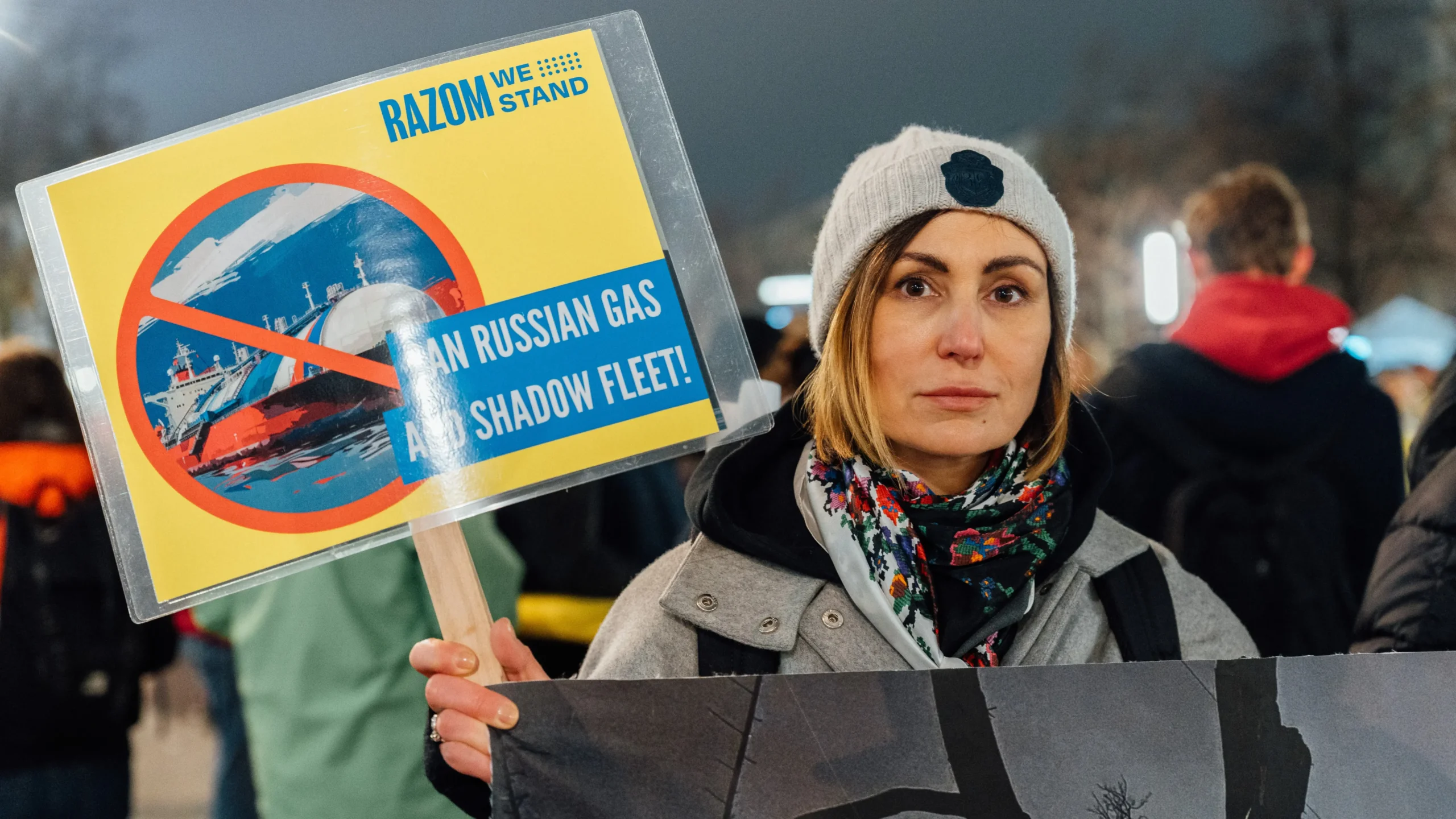
As Russia continues its brutal attacks on Ukraine’s civilian infrastructure, one lesson has become impossible to ignore: distributed generation is the foundation of resilience and energy autonomy. At the high-level conference “Ukraine Winter: The Way Forward,” held at Norway House in Brussels on 26 May 2026, European and Ukrainian officials, diplomats, and energy experts gathered to discuss how Ukraine’s wartime experience is reshaping the future of energy systems across Europe.
Co-organised by Razom We Stand, the Mission of Ukraine to the EU, the European External Action Service (EEAS), the Directorate-General for Enlargement and the Eastern Neighbourhood (DG ENEST), the conference focused on lessons from Ukraine’s most difficult winters under attack and the urgent need to accelerate resilient, decentralised clean energy solutions.
Opening the discussion, Deputy Head of the Mission of Ukraine to the EU Oksana Diakun outlined the broader political and economic context surrounding Ukraine’s recovery. She highlighted the importance of financial predictability through the recently unblocked €90 billion loan package, continued momentum on Ukraine’s EU accession process, and Europe’s long-term commitment to phasing out Russian energy imports. At the same time, she stressed that strengthening Ukraine’s air defence capabilities remains essential to protecting communities and critical infrastructure.
At Razom We Stand, we believe Ukraine’s experience demonstrates why distributed renewable energy systems combined with battery storage and microgrids must now be recognised as critical resilience infrastructure.
Dr. Svitlana Romanko, Founder and Executive Director of Razom We Stand, stressed that Ukraine’s recovery must go beyond rebuilding damaged infrastructure:
“Ukraine must rebuild an energy system that can survive attacks, not simply restore the old centralized model. Distributed renewable energy, battery storage, and microgrids are not only climate solutions — they are critical resilience infrastructure. Ukraine’s recovery is an opportunity to build a system that is cleaner, more democratic, and capable of withstanding future crises.”
Ukraine has already shown that decentralised systems can keep communities functioning during blackouts and military attacks. Recent regulatory changes approved by Ukraine’s energy regulator now allow for direct local electricity exchange within microgrids and energy communities — an important step toward enabling “island-mode” operation, where local systems can continue operating autonomously if the central grid fails. Both microgrids and the ability to support “island-mode” operations are essential to the ongoing success of adaptable decentralised energy systems.
There is still not enough recognition of renewable energy systems (RES) and microgrids as part of critical resilience infrastructure. In the end, this is one of the few wartime solutions that also serves another goal being pursued in Ukraine: sticking to the commitment to align with the EU energy and digital transition. If we all agree that this is a priority, it will finally unlock the use of special financing, insurance, priority connection and protection instruments.
These solutions are not merely theoretical. Across Ukraine, cities are already implementing practical resilience solutions.
Examples discussed during the conference included initiatives in Zaporizhzhia, Mykolaiv, Kyiv, and Cherkasy, where smaller-scale combined heat and power systems and decentralised heating infrastructure are improving energy security. One of the most ambitious projects is the €40 million Ternopil microgrid initiative, which combines cogeneration units, battery storage systems, automated substations, and autonomous microgrids capable of operating independently during emergencies.
The benefits extend beyond resilience. Distributed renewable energy and storage systems also reduce reliance on imported gas and vulnerable large-scale generation, helping stabilise costs while accelerating Ukraine’s alignment with the EU Green Deal and the broader European energy transition.
Several European speakers noted that Ukraine’s wartime experience is already influencing energy thinking across the continent.
Throughout the event, speakers repeatedly emphasised that Ukraine has become a real-world laboratory for energy resilience.
“Without electricity there is no economy,” said Minister of Energy Denys Shmyhal, describing how Ukraine’s energy system has continued operating despite sustained attacks. More than 9 GW of energy infrastructure has been damaged or destroyed since the start of Russia’s full-scale invasion, yet Ukraine’s grid operators and energy workers have managed to absorb repeated shocks and maintain stability.
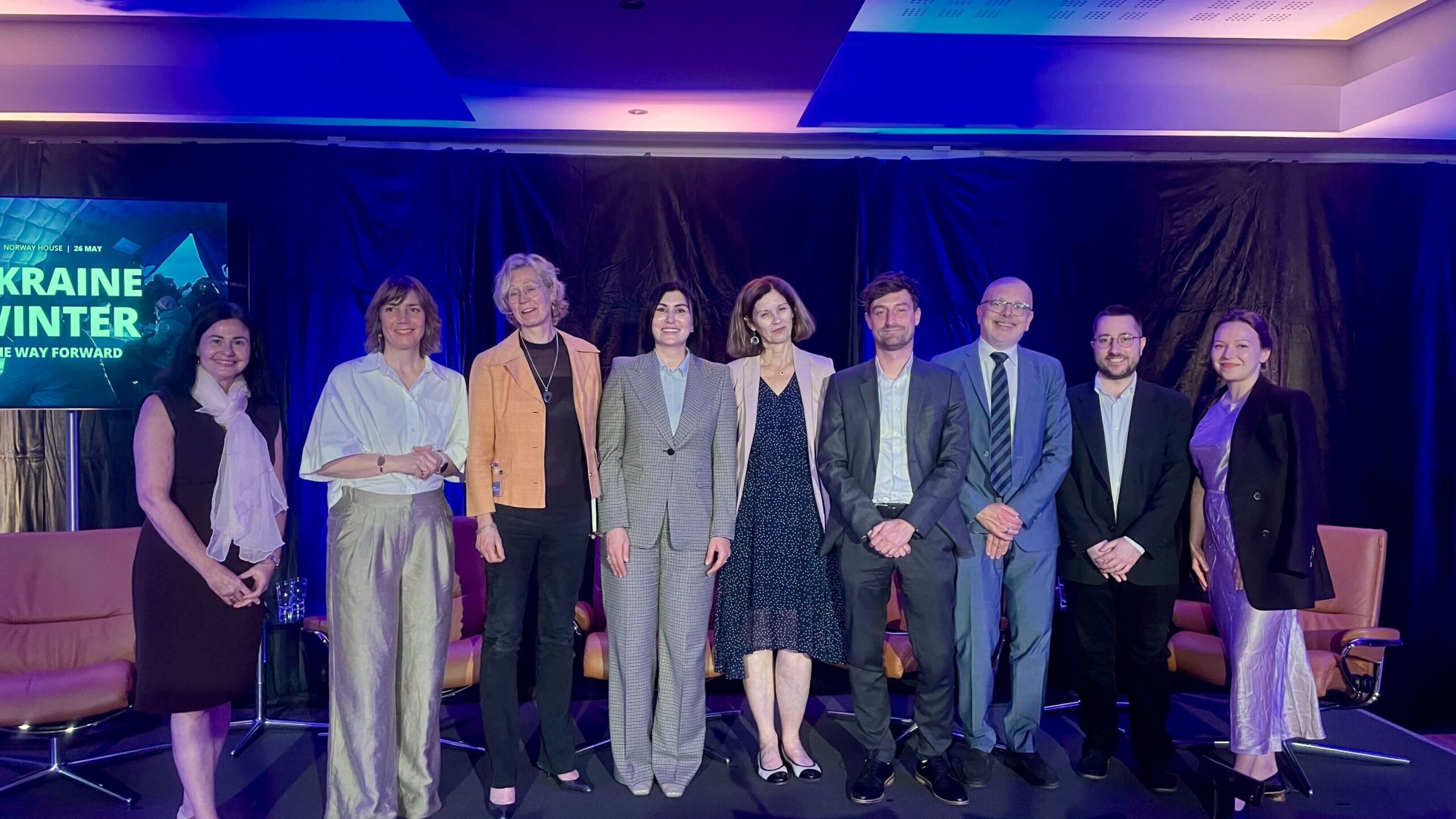
A central theme of the conference was the urgent shift away from large, centralised systems toward distributed renewable energy, battery storage, and microgrids.
Tibor Stelbaczky, Principal Advisor for Energy Diplomacy at the EEAS, argued that decentralised energy systems are now key to both Ukrainian and European resilience. He noted that Ukraine’s recovery presents an opportunity not to rebuild the old Soviet-style centralised system, but to leapfrog directly into a more flexible, renewable, and resilient energy future.
Norwegian Foreign Minister Espen Barth Eide reinforced this message by announcing Norway’s second national contribution package for Ukraine’s energy sector, worth €40 million, with a strong focus on decentralised grids and renewable energy solutions. European Commissioner for Enlargement Marta Kos echoed the need for rapid action, praising Ukrainian energy workers while warning that Europe must prepare now for future winters and future attacks.
Kristin Munthe of Norway’s transmission system operator Statnett argued that Europe must begin prioritising resilience and speed over outdated assumptions about efficiency and optimisation. She pointed to the rapid synchronisation of Ukraine’s electricity grid with continental Europe in 2022 as proof that transformative change can happen quickly when political will exists.
The conference also highlighted the growing recognition that Europe itself remains vulnerable to global fossil fuel volatility and energy insecurity. Officials from DG ENER discussed the need for regional cooperation, standardised equipment stockpiling, and stronger solidarity mechanisms across borders.
Ukraine’s message to Europe is increasingly clear: resilience cannot wait.
As Razom We Stand continues advocating for a fast transition away from fossil fuels that finance Russia’s war machine, Ukraine’s experience offers practical lessons not only for surviving attacks, but for building a cleaner, more secure, and more democratic energy future for all of Europe.