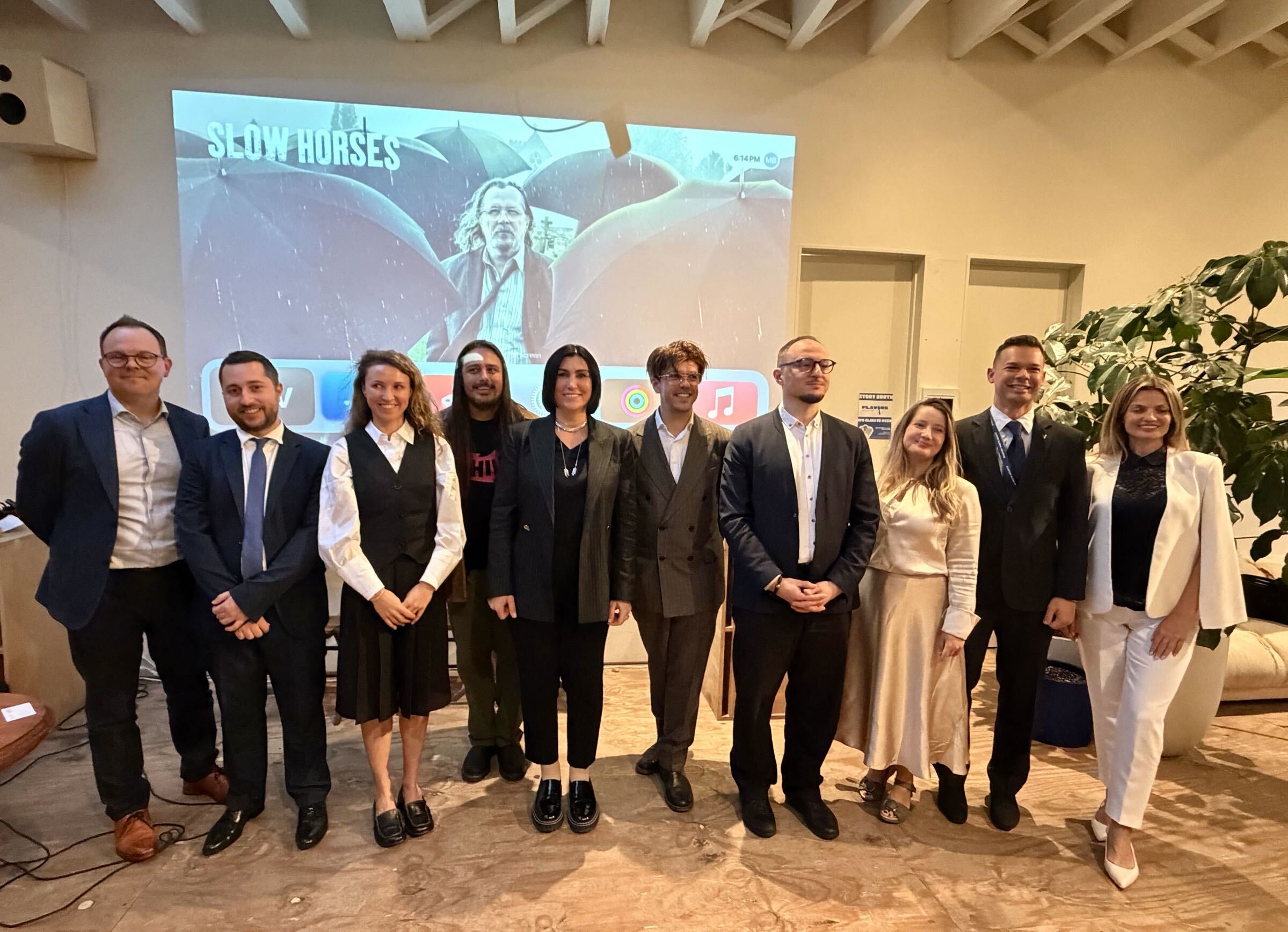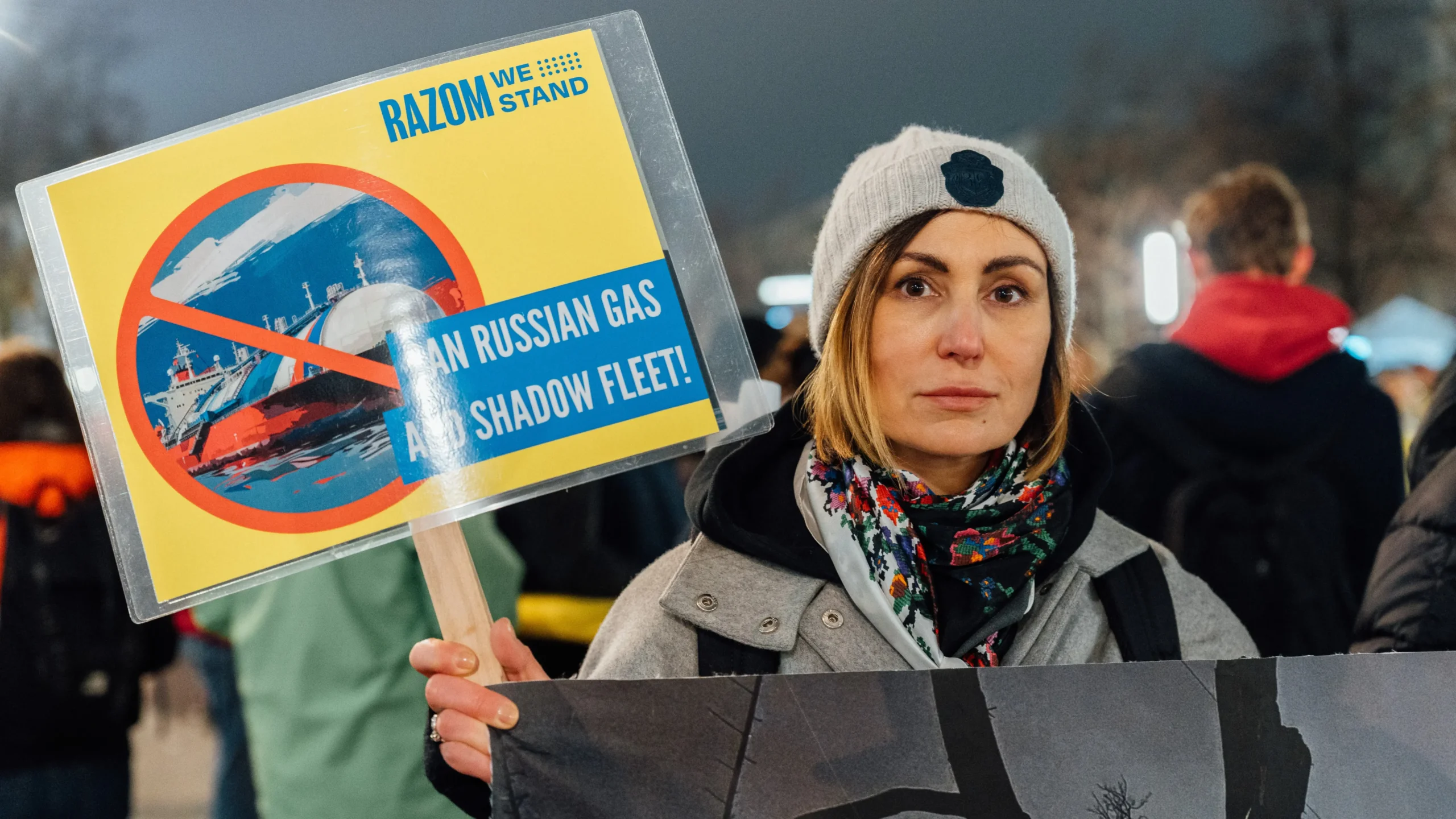
On 22 September, as world leaders arrived in New York for the UN General Assembly and Climate Week, Razom We Stand and our partners at chilli filled a room at The Bench in Lower Manhattan. The question was simple: what can the world learn from a country whose energy system has been under sustained attack for five years?
Participants included Lukas Savickas, Minister of Energy of Lithuania; author and Third Act co-founder Bill McKibben, Jeff Oatham from DTEK, Oleksii Riabchyn from Naftogaz and Yuliana Onishchuk of the Energy Act for Ukraine Foundation. Oleksandr Syenkevych, Mayor of Mykolaiv, joined via video call. The discussion was held under the Chatham House Rule, so what follows are the themes that emerged rather than who said what.
Fossil systems are the weak point
Russia’s deliberate strikes have turned Ukraine into a working laboratory for energy resilience, and the lesson is stark. A few hundred dollars of drones can put a refinery out of action for months. A single missile can knock out a large thermal plant, while a dispersed wind farm would take dozens. Damaged solar panels can be replaced in hours or days rather than weeks. Centralised fossil systems are a security liability, not just a climate problem. The room agreed that security and clean energy are now one agenda.
Resilience is built from the ground up
Ukrainians installed close to 2 GW of rooftop solar in little more than a year. Schools fitted with solar and storage stayed powered through multi-day blackouts, sometimes as the only lit building in their community. Hospitals keep intensive care units running on solar. Thousands of apartment residents have added batteries to keep lifts and heat pumps working. In some parts of Ukraine, the watchword is not “build back better” but “build forward,” because much of the old infrastructure is too outdated to restore.
Finance and regulation are the bottlenecks
Ukraine has no shortage of ambition. War risk remains the biggest barrier to investment, yet when export credit agencies take the first loss, capital flows, and actual payouts have been very low. Participants pointed to other gaps as well:
- too few blended-finance mechanisms;
- limited capacity in most of Ukraine’s 1,000-plus municipalities;
- fossil subsidies that undercut renewables;
- missing rules for community microgrids that can run in island mode.
Sometimes the fix is simple, like letting a school share its surplus solar with the kindergarten next door.
Reconstruction is a fork in the road
How Ukraine rebuilds will shape its security for decades. Rebuilding around gas locks in dependence and hands aggressors renewed leverage. Rebuilding clean and distributed makes the system both greener and harder to attack. That is why Razom We Stand is pushing to make access to renewable energy a constitutional right in Ukraine. We are also working with the Ukraine Electrification Alliance on community energy models that reinvest returns locally.
Beyond the room
The convening anchored a wider week of work. Our Founder and Executive Director Dr Svitlana Romanko,Head of Programmes Nik Meeusen and EU Campaigner Ivan Hortal Sanchez met funders and partners. The team actively engaged in many energy discussions across Climate Week.
In the coming weeks, we will share a fuller synthesis with everyone who took part. Our message is unchanged: Ukraine is not only a recipient of support, but a source of expertise the world needs, because every country’s energy system will be tested sooner or later.
Our thanks to chilli, our speakers and everyone who joined us.