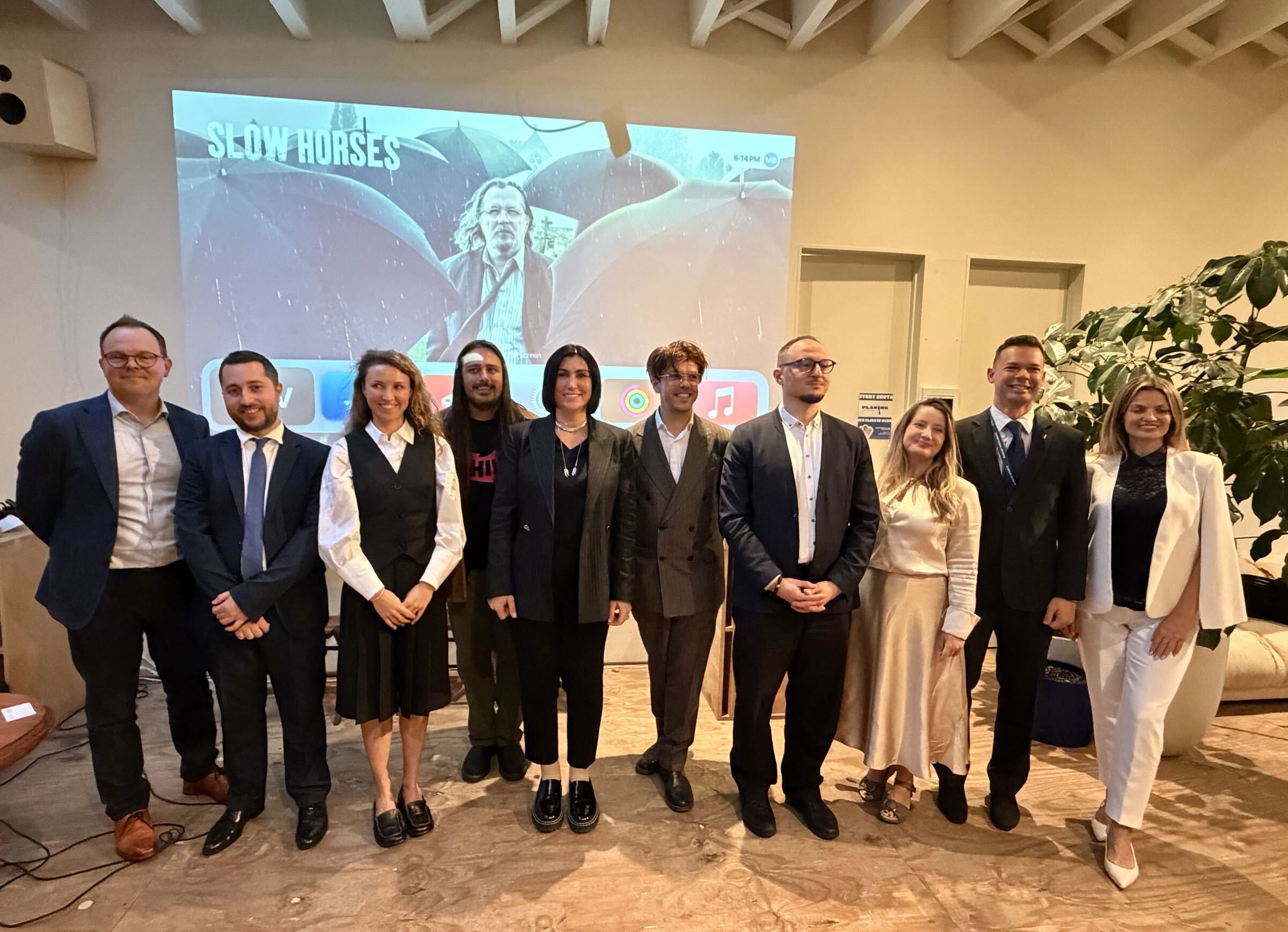
On 12–14 October, more than 400 participants from around 110 governments, international organisations, industry and civil society gathered in Geneva for the 22nd Annual General Meeting of the Intergovernmental Forum on Mining, Minerals, Metals and Sustainable Development (IGF). Razom We Stand’s Javier Casas attended for our Energy Transition Minerals programme.
The theme was trust in an interdependent world. One question ran through every session: the challenge is no longer just securing more minerals, but deciding who sets the terms. For Ukraine, where critical minerals are moving from political agreements into real projects, that question is urgent.
Governance capacity is as strategic as geology
Countries can hold valuable deposits and still lose out if their institutions lack the regulatory, fiscal, environmental and negotiating expertise to manage them. Mineral governance now cuts across mining law, taxation, trade, industrial policy and community relations. It cannot sit in a mining ministry alone. The launch of the IGF Mining Academy, offering governments training, peer learning and fiscal modelling tools, was a concrete response.
Minerals deals need scrutiny
Bilateral critical minerals agreements, MOUs and strategic partnerships are multiplying, often outside multilateral frameworks. They can unlock finance, infrastructure and markets. But participants warned of the risks when negotiations move faster than parliamentary scrutiny and public oversight:
- opaque follow-on commercial agreements;
- hidden beneficial ownership;
- preferential fiscal terms;
- long-term offtake commitments that limit future policy choices.
This is exactly why we track the US–Ukraine minerals deal as it moves from framework to individual projects, investors and transactions.
A list of deposits is not a strategy
Brazil, India, the Philippines and Senegal showed that what counts as critical differs for each country. A real strategy decides which minerals matter, which parts of the value chain to develop, and what infrastructure, skills and finance that takes. Sovereignty was framed as the right to choose how far along the value chain to go, rather than settling for the role of raw-material supplier. For Ukraine, minerals should be a route to clean reindustrialisation and reconstruction, not just exports to Europe or the US.
Communities come first, not last
The relationship between a community and a mining project is often set at the exploration stage, long before a mine is approved. Speakers stressed early engagement, accessible environmental information and free, prior and informed consent. Sámi representatives underlined that participation is a right, not a courtesy. Benefit sharing must also outlast the mine, through community funds, revenue sharing and investments that leave durable assets after closure.
Beyond the sessions
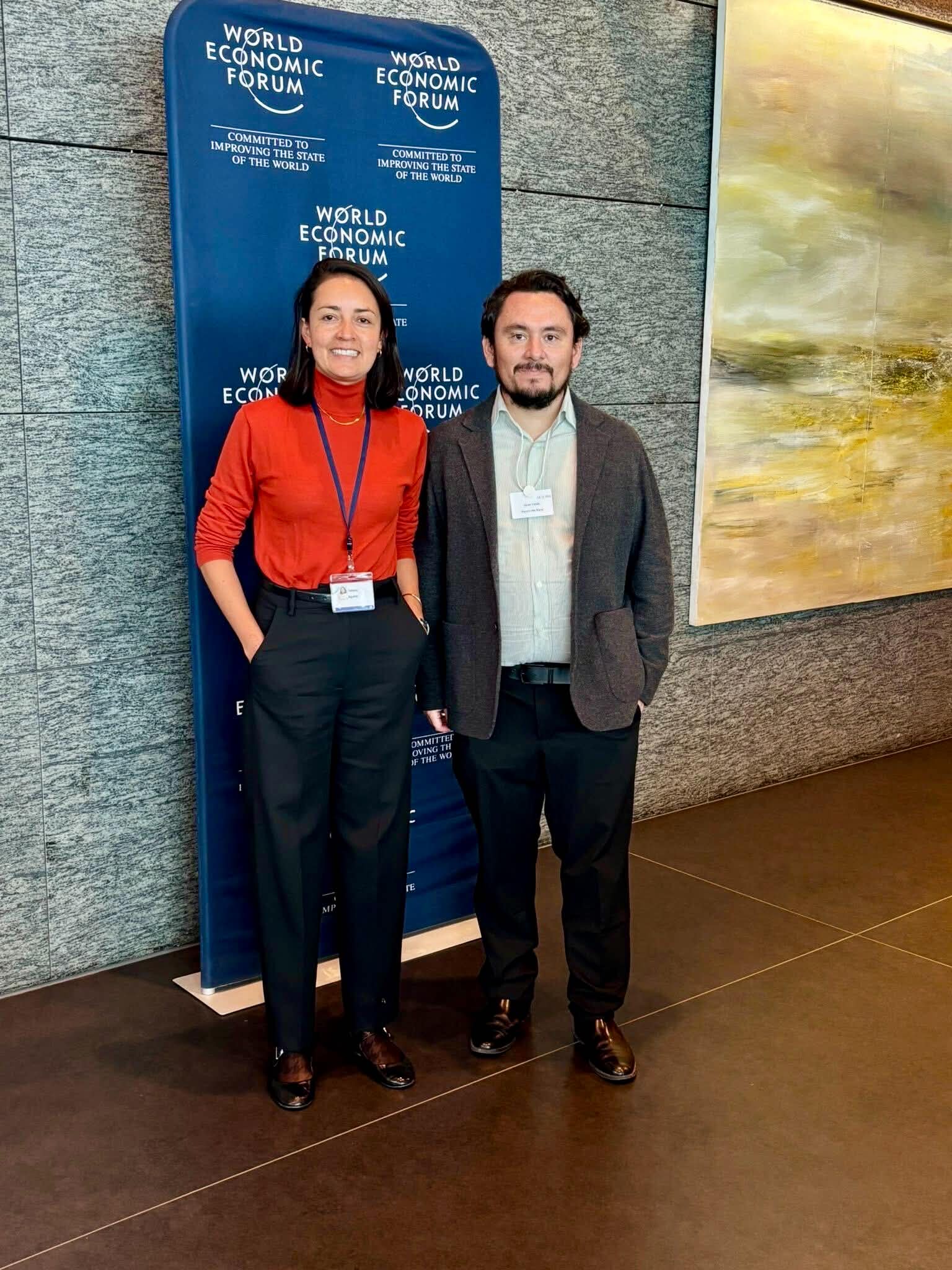
Between sessions, Javier met the IGF Secretariat; Grace Zhang of ClimateWorks Foundation, our funder, who moderated the session on benefit sharing; Elisabeth Seidl (UNODC Ukraine); Luis Madrinal (Deputy Minister, Colombia); Tatiana Aguilar (World Economic Forum); and Louis Maréchal (OECD).
The closing plenary put it well: interdependence is unavoidable, but how it is governed is a political choice. Our message heading into COP31 is simple. The energy transition only succeeds if it is also a development transition, with accountable institutions, real community benefits and value created where minerals are mined.
Our thanks to the IGF for convening such a timely meeting, and to everyone who shared their insights with us in Geneva.