By Svitlana Romanko and Jason Kirkpatrick
This article originally appeared in Anchorage Daily News
Alaskans do not need an economist to tell them what fuel costs. Diesel averages about $6.56 a gallon statewide, up from $4.10 a year ago, and in the village of Noatak it is $10.33. Rural heating fuel hit a record $7.97 a gallon in August. So it is understandable that many welcome any extra supply. But the deal the White House struck with Vladimir Putin earlier in October will not bring that relief to Alaska, and it will help fund Russia’s needless and brutal war that is killing civilians in Ukraine every night.
A Treasury license now lets Russian diesel into the United States for six months, and Russia says its first 40,000-metric-ton tanker will sail within days. Energy experts doubt the Russian fuel will bring relief at all, given how short the supply is after the disruption in the Strait of Hormuz. It is hard to see how a cargo bound for an American port will lower the price of fuel that reaches villages by barge or plane.
What the Trump-Putin diesel deal does deliver is cash for the Kremlin. Oil money pays for the missiles and drones that, on Oct. 19, killed six people, including children, in a park in the Kharkiv region. This week Putin met President Trump’s envoy, Steve Witkoff, and agreed to resume peace talks; hours later, Russian missiles struck Kyiv again.
This is not a partisan view. Six Republican and six Democratic senators told the president the deal “is a gift to our adversary and a betrayal of our Allies,” will offer “limited to no relief to Americans” and “should be rescinded.” Alaskans are asking the same question: What do we get out of it?
There is also a legal question. In 2022, Congress banned Russian energy imports, 100-0 in the Senate and 413-9 in the House. The law allows the president to lift the ban only by certifying that Russia has agreed to end hostilities under a deal that Ukraine accepts. Lawmakers in both parties argue the diesel license violates that law, while the administration says it is acting within its authority.
As Ukrainians, we know how a dictator uses energy as a weapon. Russia has done it to its neighbors for decades via one-sided trade agreements and price and supply manipulation, and now every night, Russia attacks our power plants directly. Americans, too, know what happens when oil is used as a weapon: The 1973-74 embargo by oil producers, which the Federal Reserve’s own history says complicated the fight against inflation, hit the economy at what the Fed’s chairman called “a most inopportune time,” as the country slid into a recession.
There is a better way, and Alaska is already building it. The Anchorage Daily News reported that a solar array in Shungnak and Kobuk is expected to save about 25,000 gallons of diesel and $200,000 a year in villages where fuel can top $10 a gallon, and that Kotzebue already runs rural Alaska’s largest solar array. This spring, Kotzebue’s utility manager told the News his diesel bill could more than double with the war, from $3.10 to over $6 a gallon.
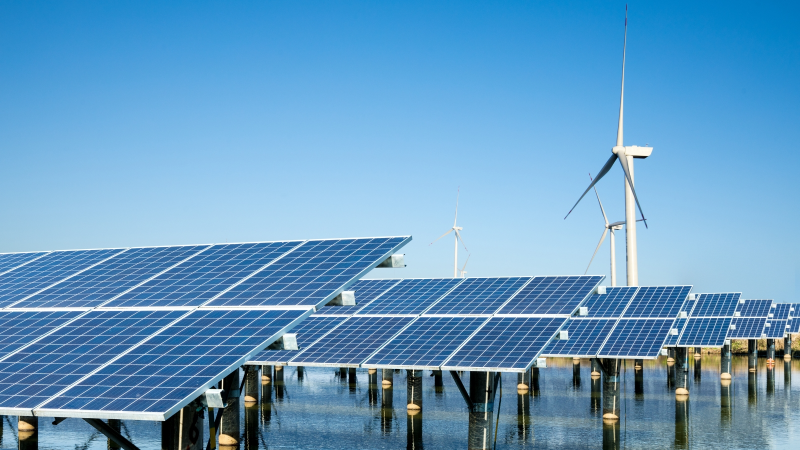
Cheaper, locally made power is also more secure, in both Ukraine and Alaska. Sunshine, wind and batteries do not depend on a foreign power or dictator’s goodwill, cannot be switched off from Moscow and arrive with no tanker of Russian fuel attached. Alaska can be part of the cheaper, more resilient, locally generated solutions that are already winning, instead of rewarding Putin’s brutality with blood-money purchases from Russia.
If lower prices are the goal, Washington should rescind the license, enforce the law Congress wrote and back the Alaskans who are building their own energy. Putin’s diesel will not lower the price in Alaska’s villages. It will raise the price Ukrainians pay.