Two days in Paris
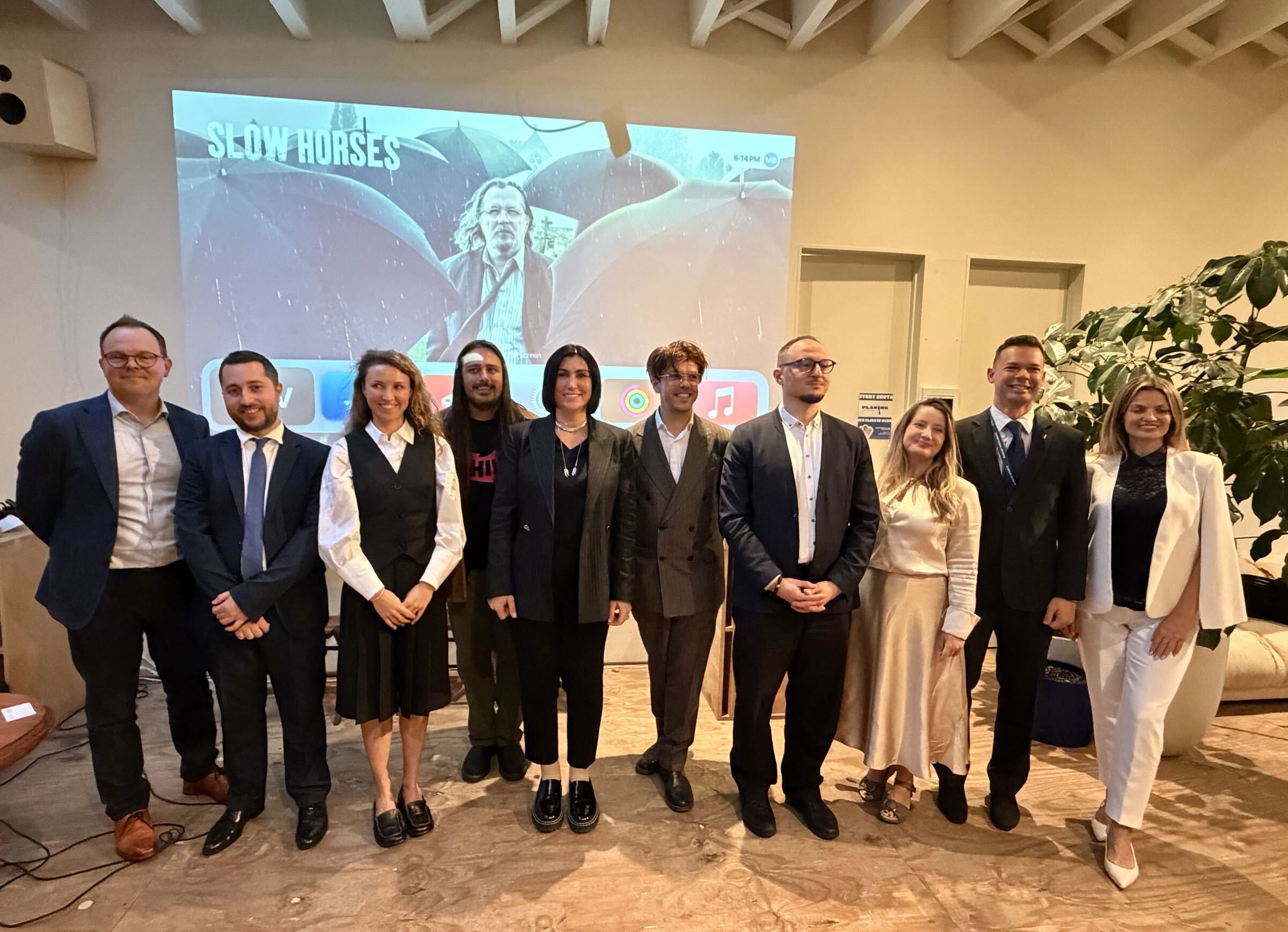
This week, Iryna Ptashnyik and Javier Casas took Razom We Stand to the Palais de Chaillot for the 9th Paris Peace Forum. On 10–11 November, they presented our Ukraine Critical Minerals Transparency and Governance Project to policymakers, development institutions, researchers and civil society from around the world.
Getting there was an achievement in itself. Our project was one of 40 solutions chosen from 607 applications to the Forum’s 2026 Call for Solutions. It was also selected for the Forum’s Scale-up Programme, which offers a year of tailored support: strategic mentoring, capacity building and access to international partners.
The project’s aim is simple. As interest in Ukraine’s critical minerals grows, the public should be able to see who holds mining rights, where the governance risks lie and how decisions are made.
Conversations at the Space for Solutions
Across both days, Iryna and Javier presented our work at the Space for Solutions, talking with government officials, international institutions, universities and fellow civil society groups. The conversations kept returning to the same themes: Ukraine’s mineral potential, reconstruction, and the governance needed to make new partnerships work.
Among the people they met were Mariana Betsa, Ukraine’s Deputy Minister of Foreign Affairs; Peter Wagner of the European Commission; Kadri Simson, former European Commissioner for Energy; and trade unionist Glen Mpufane. They also connected with Ukrainian universities and organisations working on responsible mining.
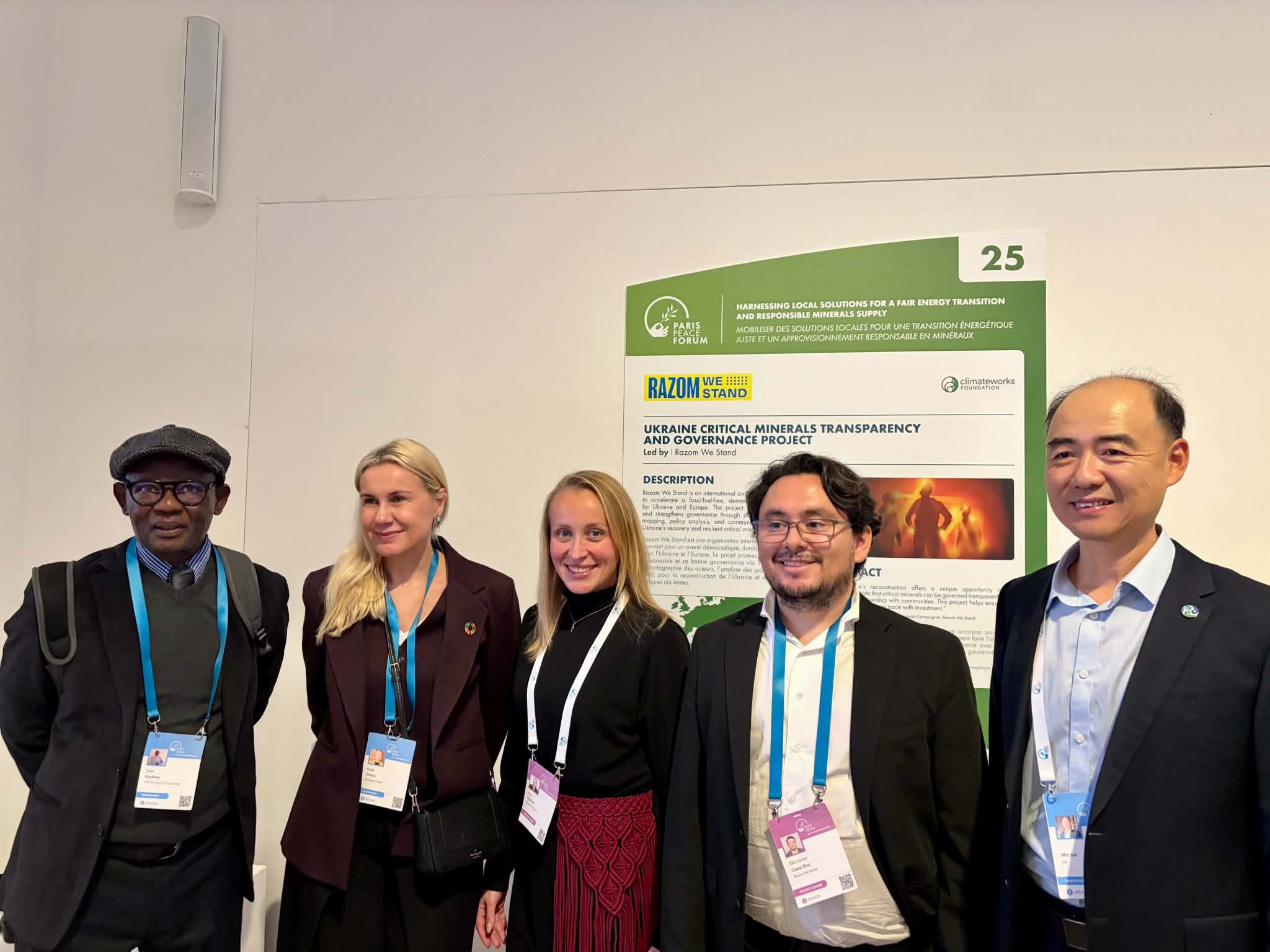
Some of the most useful exchanges were with groups from Africa, where community-led oversight of mining offers practical lessons for Ukraine.
On stage: who benefits from the energy transition?
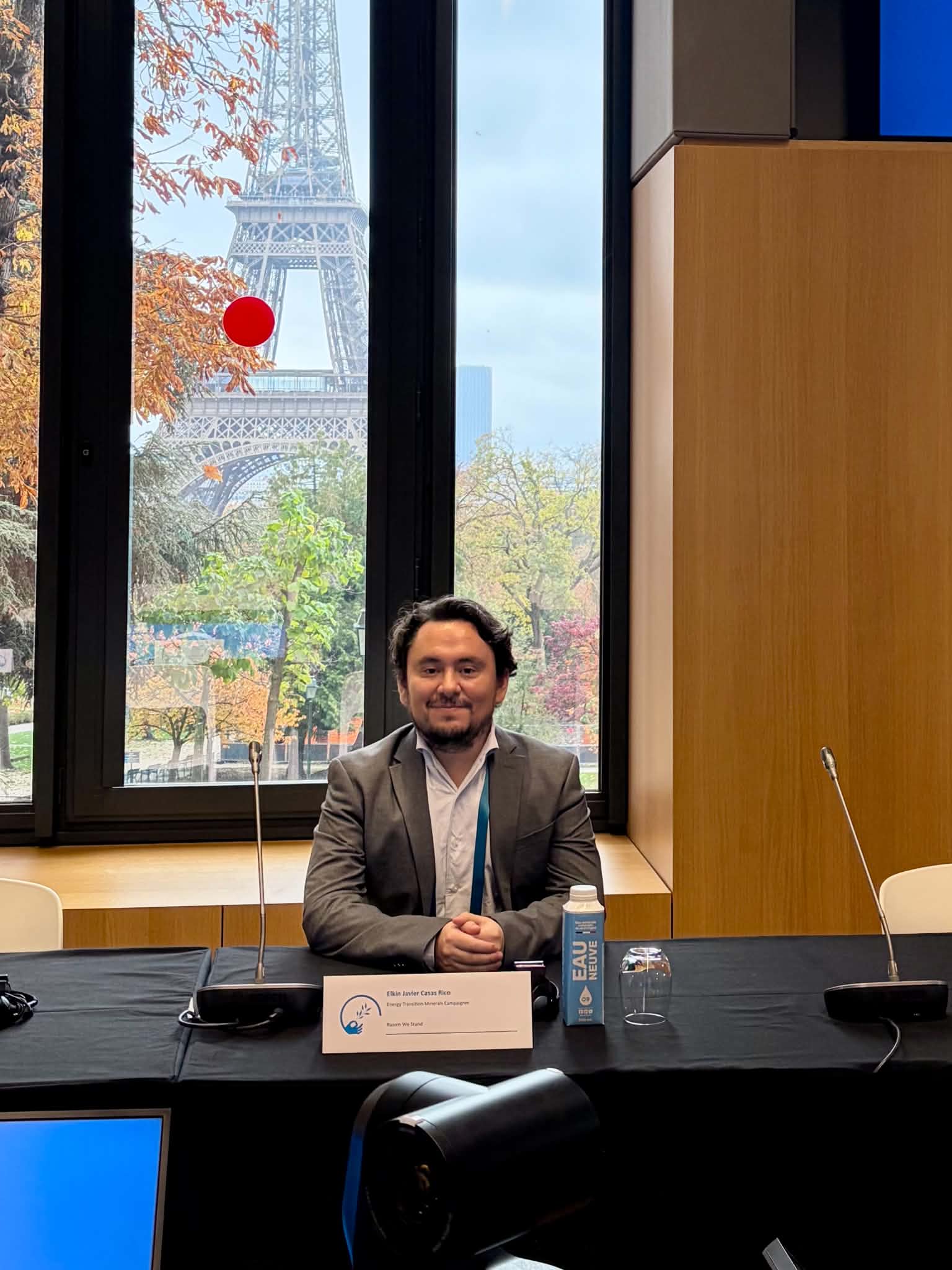
On 11 November, Javier joined the roundtable “Who Benefits From the Energy Transition and Who Decides?”, moderated by Dr Erik Post of the European Partnership for Responsible Minerals. He shared the panel with speakers from African civil society, development institutions and mining accountability initiatives.
Javier presented findings from our research into Ukraine’s mining titles. We have analysed more than 2,000 mining permits. Only 5% relate to industrial, metal and critical minerals, and more than 30% are due to expire this year or next, so how they are renewed or reallocated will matter enormously.
He also outlined our ongoing work mapping mining companies and licences and monitoring investment partnerships, so that civil society and communities can follow what is happening.
Our message: transparency is only the start
Javier’s core argument was that transparency is necessary but not enough. Ukraine has made real progress on digital transparency, but open data only counts when it comes with enforcement, institutional oversight and ways for citizens to challenge decisions.
He pointed to the revocation of titanium mining permits linked to businessman Dmytro Firtash. The case shows why beneficial ownership information, enforcement and due process matter. Accountability has to apply when licences are granted, renewed or reallocated, not only when they are revoked.
Two further points rounded out the message. Communities should have a say before decisions are made, not be consulted once investments are already agreed. And Ukraine should not have to choose between attracting investment and protecting the public interest: the quality of investment matters as much as the amount.
What comes next
The Forum opened doors; now the work is in following up. Over the coming weeks we will reconnect with the institutions, policymakers and organisations Iryna and Javier met in Paris and explore the partnerships discussed there.
We will also work with the Scale-up Programme to decide how its support can best strengthen the project. And as our public mapping and investment tracker go live, we will share them widely.
Thank you to the Paris Peace Forum for the platform, and to everyone who stopped by to talk.