This past week has brought together two important moments for Razom We Stand: London Climate Action Week and the Ukraine Recovery Conference 2026. While very different in format, both reinforced the same message: Ukraine’s reconstruction and Europe’s climate future are deeply connected.
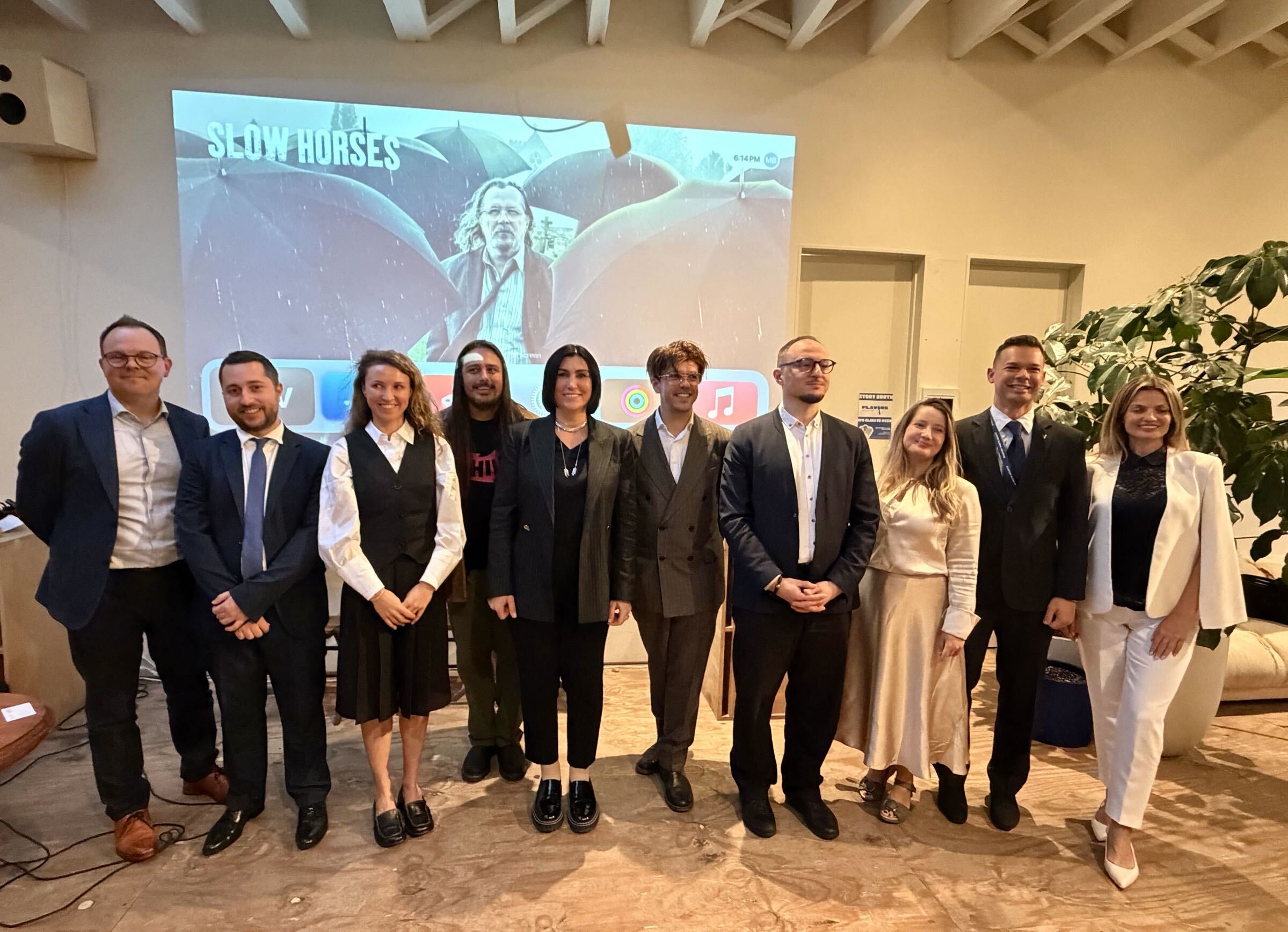
At London Climate Action Week, attended by Executive Director Svitlana Romanko and EU Campaigner Ivan Hortal Sanchez, one theme stood out above all: energy security and climate action are no longer separate conversations. As Europe works to reduce emissions and strengthen its resilience, Ukraine offers valuable lessons from the front lines of an energy system under constant attack.
Russia’s war has demonstrated the vulnerability of large, centralised fossil fuel-based energy systems. At the same time, it has accelerated discussions around decentralised renewable energy, microgrids, and resilient infrastructure—solutions that are not only helping Ukraine withstand wartime challenges but can also shape Europe’s future energy system.
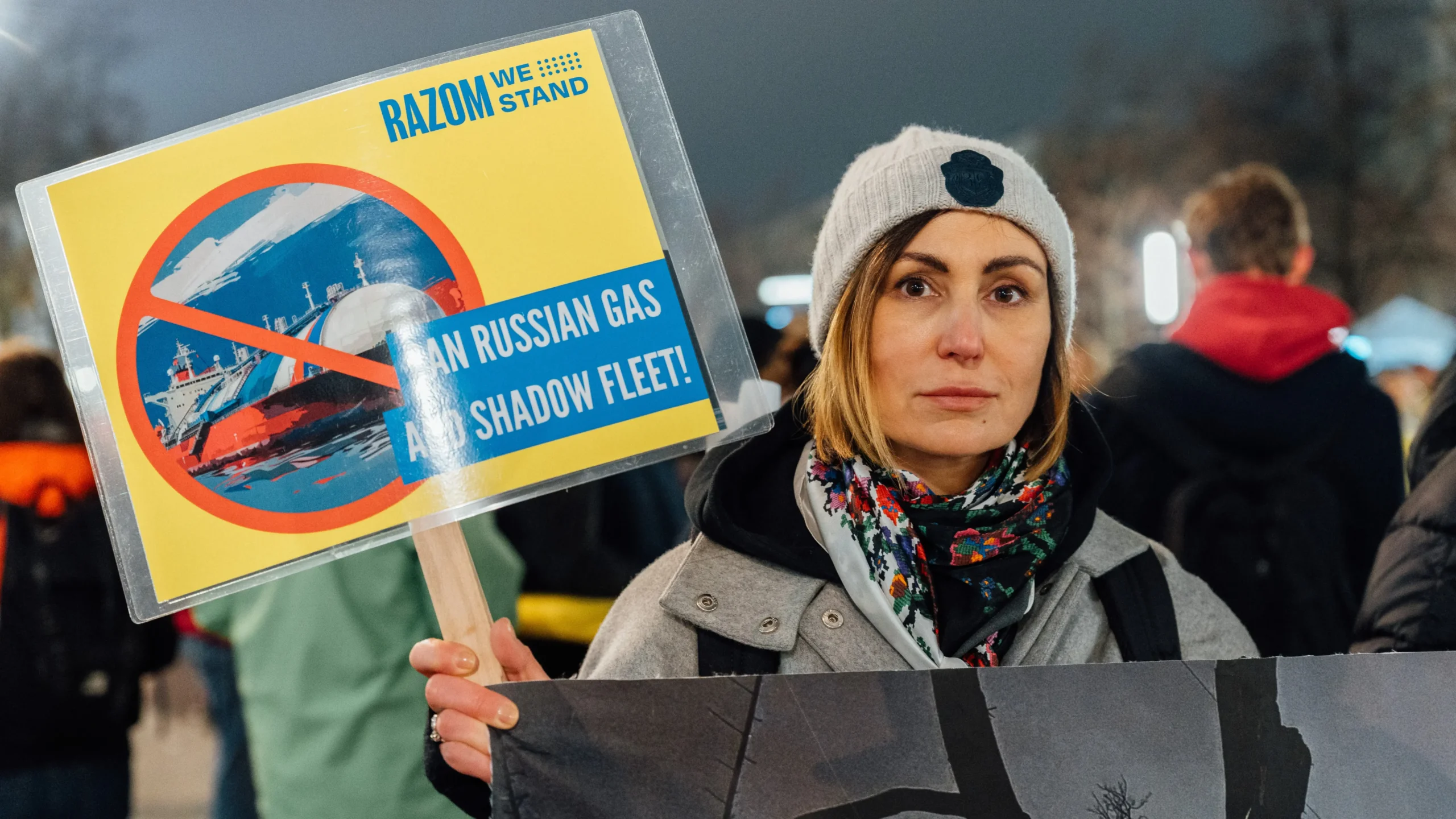
For Razom We Stand, London was also an opportunity to keep another essential issue on the agenda: the need to continue phasing out Russian fossil fuels. Ending Europe’s dependence on Russian oil and gas remains both a climate and a security imperative, and discussions throughout the week highlighted the importance of accelerating the transition towards clean energy.
While reconstruction and investment featured prominently in many discussions, there was comparatively zero focus on how Ukraine’s mineral resources should be governed. The US–Ukraine minerals agreement has placed these resources firmly on the geopolitical agenda. As new partnerships and investments emerge, Ukraine has an opportunity to build a sector founded on transparency, strong public oversight, environmental safeguards, and meaningful community participation from the outset. Responsible governance should be recognised as a key pillar of Ukraine’s long-term recovery.

These conversations naturally continued at the Ukraine Recovery Conference 2026.
The conference began with the Civil Society Organisations Forum, where organisations from Ukraine and across Europe aligned on common priorities for rebuilding a stronger, more democratic, and more sustainable Ukraine. Throughout the conference, discussions consistently reflected a shared ambition to ensure that recovery is not about recreating the past, but about building something better.
One of the highlights for Razom We Stand was hosting our own event on island-mode operation and microgrids. The discussion focused on a challenge that sits at the heart of Ukraine’s energy future.
Ukraine inherited a Soviet-era electricity system built around large power plants, extensive transmission lines, and centralised control. While effective in peacetime, this model has become a critical vulnerability during the war. A single missile strike on key infrastructure can leave entire cities without electricity, heating, or water.
Microgrids offer a different approach. By combining local electricity generation, energy storage, and smart control systems, critical facilities such as hospitals, water utilities, or entire districts can continue operating independently when the central grid is disrupted. They provide both immediate wartime resilience and a pathway towards a cleaner, more flexible energy system for the future.
The technology already exists, and interest from investors and international partners is growing. However, important legal barriers remain. Ukrainian legislation still does not formally define island-mode operation, limiting the deployment of these solutions. Our discussion explored what policy changes are needed to unlock the full potential of microgrids as part of Ukraine’s reconstruction.
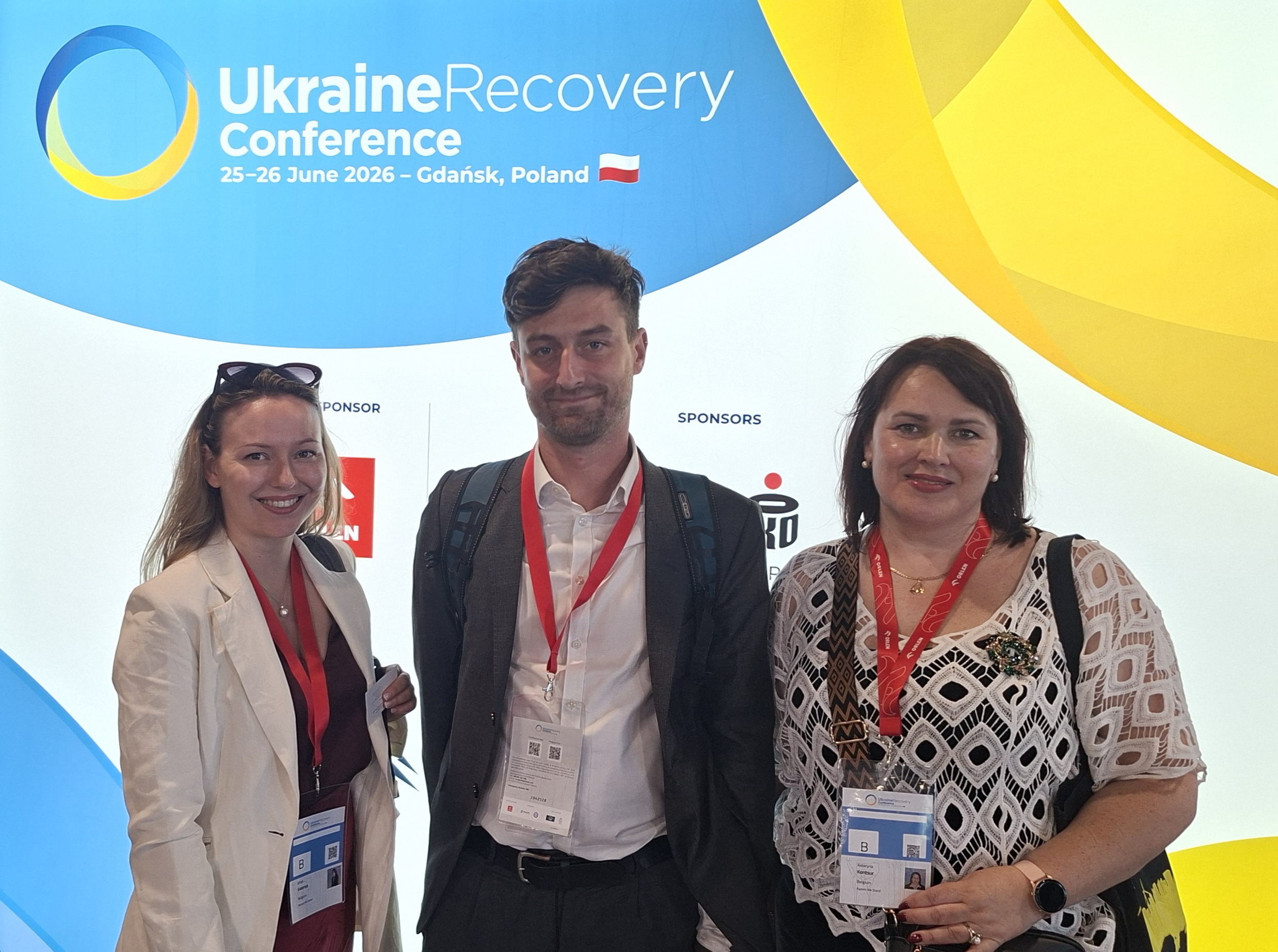
Beyond the formal sessions, the conference provided valuable opportunities to engage with partners from across government, civil society, business, academia and international organisations. Across many conversations, a clear consensus emerged: decentralised renewable energy, energy security, and resilience must become central pillars of Ukraine’s recovery.
Leaving both London and the Ukraine Recovery Conference, one message was unmistakable. Ukraine is not simply rebuilding what has been destroyed. It has the opportunity to build one of Europe’s most modern, resilient, and sustainable energy systems. Achieving that vision will require continued international cooperation, smart governance, and policies that place clean energy, resilience, and democratic values at the centre of reconstruction.
That is exactly the future Razom We Stand is working towards.