Ukrainian climate and energy advocate Svitlana Romanko joined policymakers, investors and business leaders this week at the 4th Ukraine Resilience Business Forum in Luxembourg, where discussions focused on reconstruction, investment and Europe’s long-term partnership with Ukraine.
Since the start of Russia’s full-scale invasion in February 2022, Ukraine has continued to attract international capital, with around $4.6 billion in foreign direct investment in 2023 alone, following a sharp drop in 2022 when FDI fell to about $221 million due to the outbreak of war. At the same time, the EU and its member states have mobilised more than €104 billion in financial and economic support for Ukraine, helping stabilise the economy and laying the groundwork for large-scale private investment in reconstruction.
The forum, organised by the Luxembourg-Ukraine Chamber of Commerce, brought together public and private sector representatives to examine how Ukraine’s economy can recover while deepening integration with the European Union. Panels throughout the day addressed financing reconstruction, energy resilience, innovation and municipal recovery.
Luxembourg plays a unique role as one of Europe’s leading financial centres and a global hub for sustainable finance, investment funds and capital markets. With a strong ecosystem of international banks, development finance institutions, and investment funds, the country is well-positioned to mobilise private capital for Ukraine’s reconstruction. Luxembourg also hosts key EU institutions and financial actors such as the European Investment Bank and major global financial infrastructure providers, making it a strategic gateway between international investors and Ukraine’s recovery projects. Through partnerships between Luxembourg’s financial sector, innovation ecosystem, and Ukrainian institutions, the country can help structure financing, de-risk investments, and channel large-scale capital into energy, infrastructure, technology, and municipal development projects.
Held at the Luxembourg Chamber of Commerce, the event has become a key platform linking Ukraine with European investors and institutions working on reconstruction and long-term economic cooperation.
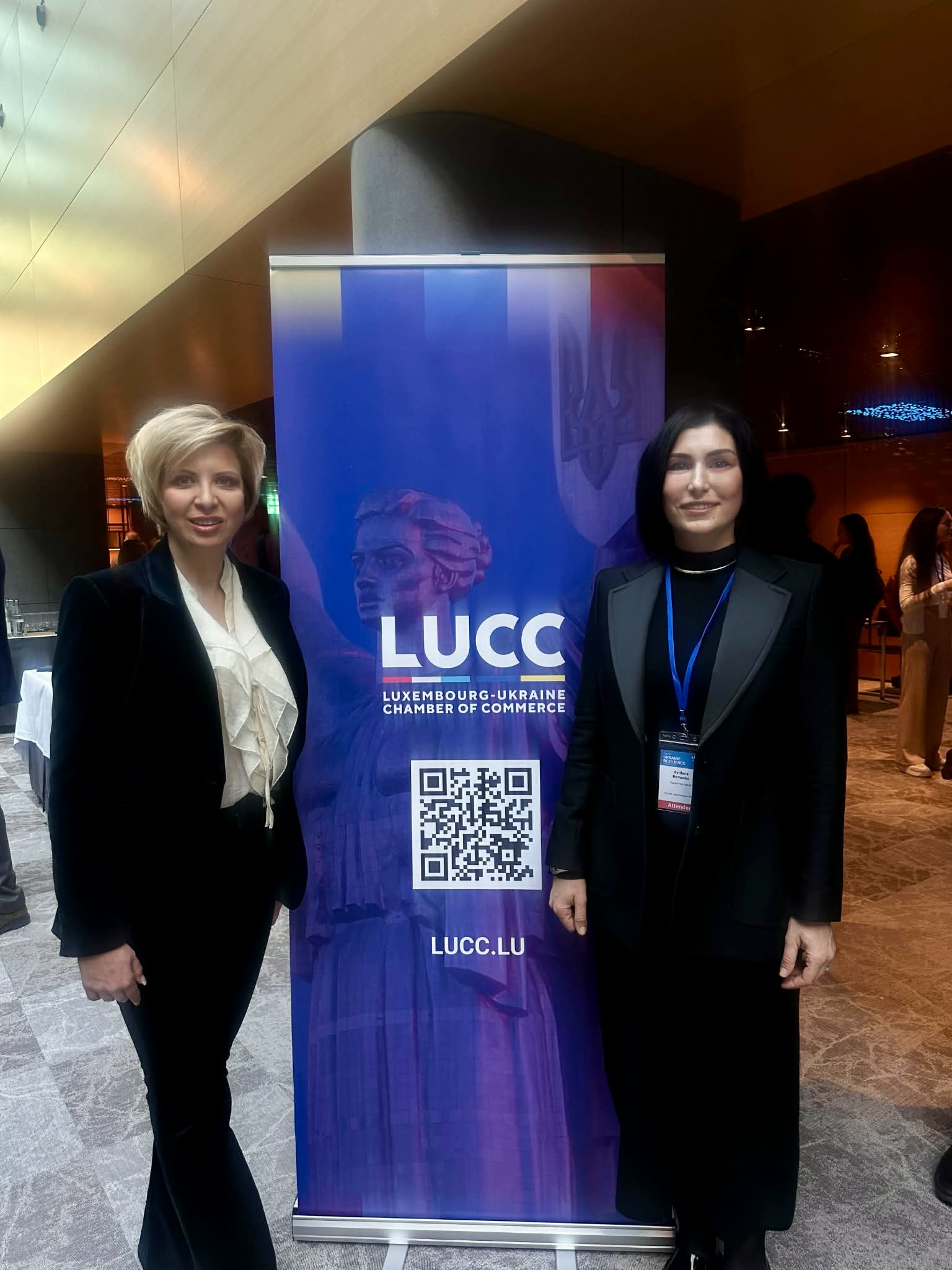
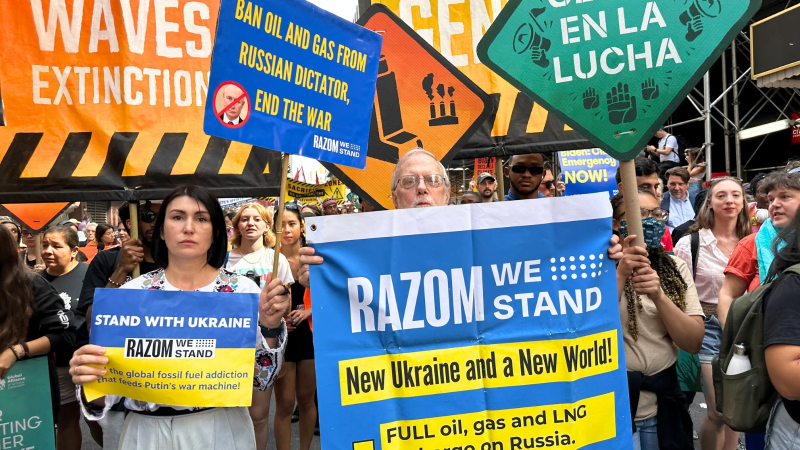
Svitlana Romanko, Founder and Executive Director of Razom We Stand, used the gathering to underline the central role of energy security in Ukraine’s recovery. Speaking with participants and partners, she highlighted how Europe’s transition away from fossil fuels, particularly those financing Russia’s war, is closely tied to Ukraine’s resilience and future prosperity.
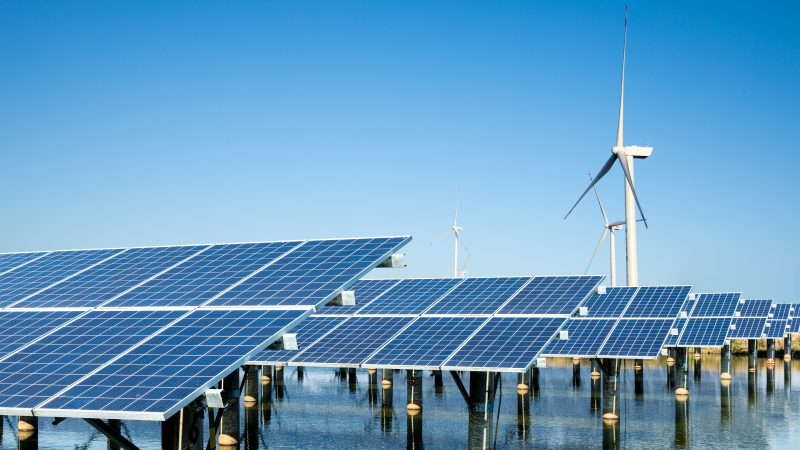
“Ukraine’s recovery must be built on a modern, decentralised clean energy system,” Romanko said during meetings on the sidelines of the forum. “Investing in renewables and energy independence is not only a climate solution, but it is a security strategy for Ukraine and for Europe.”
One of the forum’s key sessions focused specifically on energy resilience and critical infrastructure, including the transition to decentralised renewable energy and financing mechanisms that could support Ukraine’s reconstruction. In 2025, the U.S. International Development Finance Corporation (DFC) and the Government of Ukraine launched the U.S. Ukraine Reconstruction Investment Fund, a public-private investment vehicle designed to mobilise private capital for Ukraine’s recovery. Seeded with $150 million in initial funding shared by the United States and Ukraine, the fund aims to attract international investors and support projects in strategic sectors such as energy, critical minerals, infrastructure and industrial development, helping de-risk investments and accelerate Ukraine’s long-term reconstruction.
Svitlana Romanko also met with representatives from European institutions, financial actors and business leaders to discuss how civil society and international partners can accelerate policies that cut fossil-fuel revenues funding Russia’s war while strengthening Ukraine’s energy independence.
The discussions in Luxembourg come as Ukraine continues to rebuild key infrastructure damaged by the war and as European governments debate how best to mobilise long-term investment for the country’s recovery.